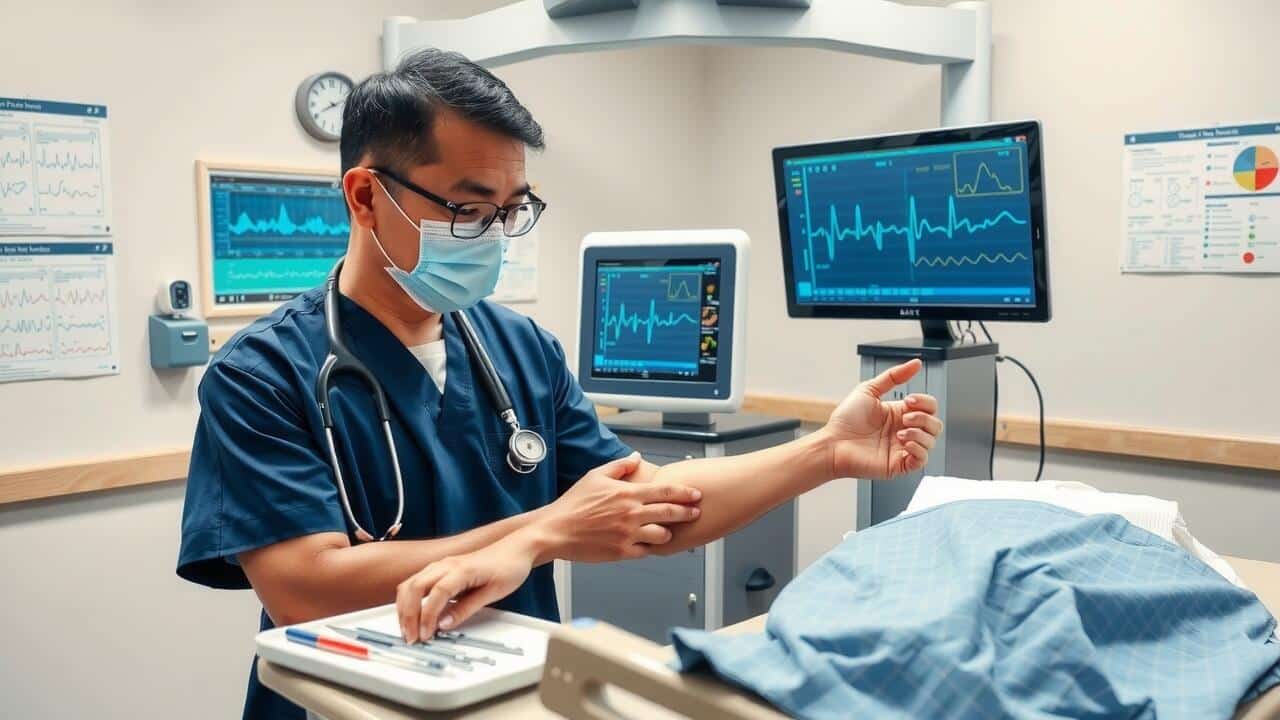
Infection Risks Associated with Skin Grafts
Infection poses a significant risk following skin graft procedures, particularly for diabetic patients who often experience compromised wound healing. The presence of bacteria on the wound site can lead to the formation of biofilms, which complicates treatment and prolongs recovery. Conditions such as poorly perfused skin and existing diabetic foot ulcers further increase the likelihood of infection. Managing these risks requires a comprehensive approach, including proper wound bed preparation and timely intervention.
To mitigate the potential for infection, health care providers may employ various preventive measures. Techniques like debridement play a crucial role in removing necrotic tissue and reducing bacterial load. The use of advanced dressings, such as those with antimicrobial properties, enhances the healing environment. Supplementing standard care with innovations like negative pressure wound therapy (NPWT) can also promote granulation tissue formation and wound closure, thereby decreasing infection rates in patients undergoing skin grafts.
Preventive Measures and Treatment Options
To effectively manage the risks associated with skin grafts in patients with diabetes mellitus, preventive measures must be prioritized. Surgical debridement remains a critical first step in reducing necrotic tissue and facilitating wound healing. Clinicians often implement negative pressure wound therapy to promote granulation and enhance microcirculation. Antimicrobial strategies targeting common pathogens like Staphylococcus aureus and Pseudomonas aeruginosa play a significant role in managing infection risks. The use of advanced wound dressings that incorporate growth factors can accelerate healing, further minimizing complications associated with skin grafts.
Furthermore, patients with comorbidities such as peripheral vascular disease and peripheral neuropathy may require tailored treatment options to optimize care. Utilizing autologous tissue for grafting can reduce the risk of rejection and infection, enhancing overall graft efficacy. Innovations in scaffold materials, such as tilapia-derived collagen, offer promising alternatives for wound closure. Research into ion channel modulation is exploring new pharmacological avenues that may improve wound healing and tissue regeneration, presenting fresh approaches to this complex field.
Comparison of Standard Care and Grafting
Standard care for diabetic ulcers typically involves basic wound management, including the use of dressings such as gauze and foam, along with infection control measures. This approach aims to promote healing through local care while potentially incorporating systemic antibiotics when infections arise. Despite these efforts, the recurrence rate of ulcers remains high, leading to significant morbidity and a reduced quality of life for patients. Pain management is often an additional concern, complicating the care process even further.
In contrast, skin grafting presents an advanced option for treating chronic wounds, particularly when standard care proves ineffective. The application of grafts facilitates more efficient perfusion of nutrients and cytokines to the affected area, actively promoting tissue repair. Studies have demonstrated that grafting can lead to higher success rates in wound closure and a reduction in the need for repeated interventions. While the initial costs of grafting may be higher, the potential for reduced long-term hospitalizations and complications can make this approach more cost-effective over time.
Benefits of Skin Grafts Over Usual Care
Skin grafts offer significant advantages for patients grappling with diabetic ulcers and related complications. The success of skin grafts, such as split-thickness skin grafts (STSGs) and xenografts, is especially notable in cases of critical limb ischemia and severe tissue loss. These grafts promote the rapid epithelialisation of wounds, addressing issues that arise from prolonged healing processes often seen with conventional care methods. This enhanced healing response is essential, as it reduces the risk of infections from opportunistic pathogens like methicillin-resistant Staphylococcus aureus (MRSA) and coagulase-negative staphylococci, which are prevalent in diabetic patients.
Additionally, skin grafts can provide a structural scaffold that supports tissue regeneration. This capability can accelerate healing by facilitating angiogenesis—the formation of new blood vessels—crucial for restoring blood flow to ischemic tissues. By incorporating advanced technologies, such as drug-eluting grafts that release therapeutic agents to combat inflammation, patients experience not only faster wound closure but also improved overall outcomes. These innovations offer a promising alternative for those with diabetic foot ulcers who may otherwise face limb loss due to severe tissue damage and infection.
Innovations in Wound Care Products
Recent advancements in wound care products have emphasized the role of biological factors that enhance healing. Research has fueled interest in utilizing decellularized tissues, which focus on maintaining the extracellular matrix while minimizing immune rejection. Innovations such as gene editing and tissue engineering contribute to better outcomes in skin graft procedures. These technologies also aim to overcome challenges related to graft rejection and infections caused by multidrug-resistant bacteria like Acinetobacter baumannii and Enterococcus faecalis.
The integration of omega-3 fatty acids, notably from fish oil, into wound care products has shown promise in reducing chronic inflammation and promoting tissue healing. Furthermore, platelet-rich plasma (PRP) therapy is being explored for its ability to enhance the microenvironment of wounds, improve immune responses, and expedite healing in diabetic patients. Imaging techniques such as Doppler ultrasonography are now used to assess blood flow in limbs with ischemia, guiding treatment strategies effectively. These innovations not only address the complexities of wound management but also contribute to more effective long-term solutions for patients suffering from chronic wounds.
Emerging Technologies in Skin Replacement
Innovations in skin replacement technologies have made significant strides in enhancing wound management for individuals with chronic conditions. Advances in regenerative medicine, including the use of stem cells and genetically altered tissues, are enabling better integration of grafts into the recipient's body. Emerging methods like ultrasound therapy and the application of epidermal growth factor (EGF) contribute to improved healing rates and reduced inflammatory reactions. Studies have shown that these techniques can optimize the extracellular matrix and promote the survival of transplanted cells.
Research continues to explore the efficacy of various materials, including umbilical cord-derived tissues and engineered scaffolds made from collagen and gelatin. These products aim to mimic natural skin's properties while facilitating faster healing in necrotic and ischemic wounds. Randomized studies indicate that adding agents such as omega-3 polyunsaturated fatty acids can enhance skin graft success rates by mitigating oxidative stress and reducing the presence of reactive oxygen species (ROS). With continued focus on these advancements, the future of skin replacement is promising for patients suffering from severe skin injuries and conditions.