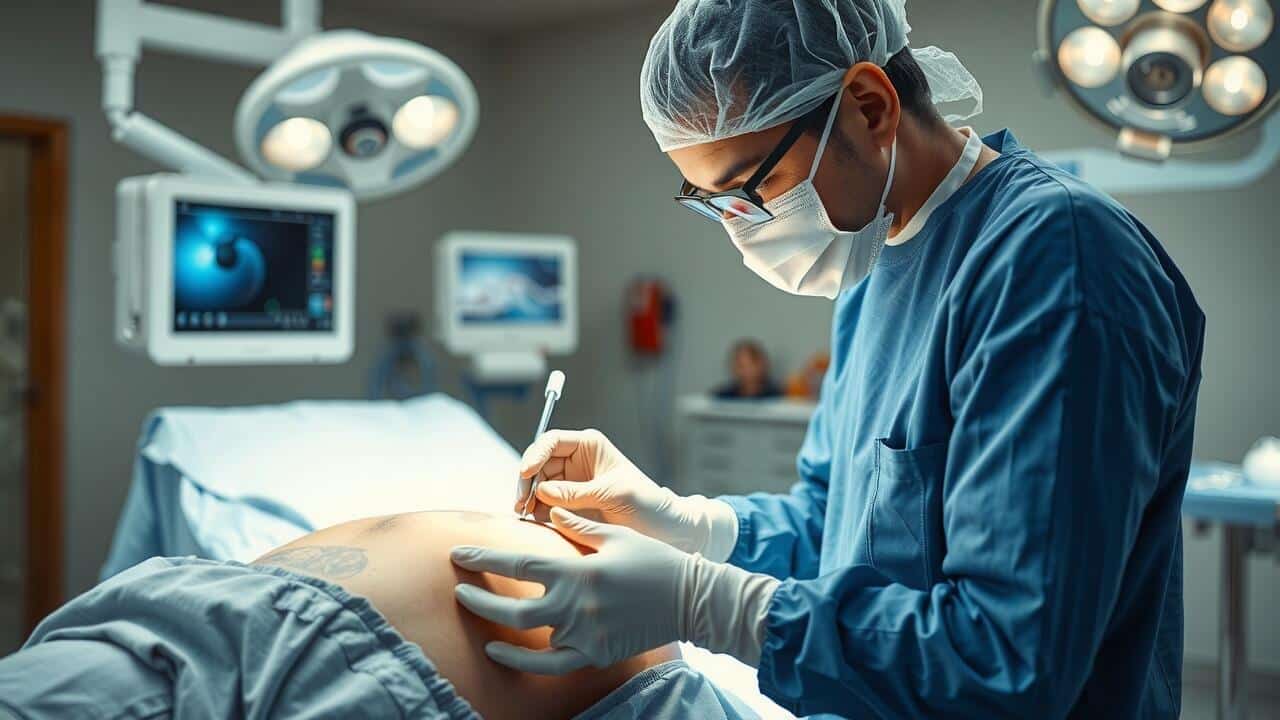
At the American Woundcare Center, we specialize in advanced treatment options for individuals facing the challenges of diabetic wounds, with a particular focus on diabetic skin grafts. Our expert team utilizes cutting-edge techniques and state-of-the-art materials to promote healing and restore skin integrity for patients suffering from chronic wounds due to diabetes. Diabetic skin grafts are a crucial part of our comprehensive care approach, helping to enhance the body’s natural healing processes, reduce the risk of infection, and improve overall quality of life. With personalized treatment plans tailored to each patient's unique needs, we are committed to delivering compassionate care and empowering our clients on their journey to recovery.
Factors Influencing Healing Rates
Healing rates of diabetic skin grafts are influenced by various factors that can significantly impact patient outcomes. The patient's demographics, including age and underlying health conditions, play a crucial role in the body's ability to heal. Wound characteristics such as size, location, and severity also determine how effectively a skin graft will integrate and repair the damaged tissue. Furthermore, the presence of comorbidities, such as vascular disease, can slow healing processes and increase the risk of complications such as infection or graft failure.
Innovative technologies and treatment protocols continue to evolve in the field of wound care, offering new hope for improving healing rates. The integration of advanced biomaterials and techniques can enhance cellular activity at the wound site. Effective debridement methods and appropriate dressing choices can optimize the wound environment, promoting better graft take and closure. Adopting best practices in patient management, such as regular monitoring and individualized treatment protocols, is essential for maximizing the success of skin graft procedures.
Patient Demographics and Wound Characteristics
The healing rates of skin grafts can vary significantly based on patient demographics and specific wound characteristics. Age plays a crucial role, as older patients typically experience slower healing due to factors such as reduced skin elasticity and decreased collagen production. Additionally, the presence of comorbidities, including diabetes or vascular diseases, can further complicate the wound healing process, resulting in chronic wounds that are more resistant to treatment.
Wound characteristics, such as size and depth, also influence healing times. Chronic wounds, such as venous leg ulcers or pressure ulcers, often have unique features that require specialized care and management strategies. The type of underlying tissue and the presence of infection can affect both the choice of treatment and the effectiveness of skin grafting. Proper assessment and tailored interventions are essential to optimize outcomes for each patient.
Innovations in Skin Graft Technology
Advancements in skin graft technology have revolutionized the approach to treating complex wounds, particularly for patients with challenging conditions. Bioengineered skin substitutes, which integrate human keratinocytes and fibroblasts, are gaining traction in clinical settings. These substitutes aim to mimic the natural structure of the epidermis and dermis, facilitating improved epithelialization and granulation tissue formation. The incorporation of collagen matrices enhances the scaffold for cellular growth, thereby promoting quicker healing and reducing the risk of complications associated with necrotic tissue.
Research and development are increasingly focused on integrating smart materials that respond to physiological stimuli. Various innovations, such as amniotic membrane grafts and vacuum-assisted closure (VAC) therapy, have shown promise in enhancing wound healing outcomes. These interventions support a moist wound environment critical for healing while minimizing further tissue damage. As evidence-based guidelines evolve, the focus remains on individualizing patient care by assessing demographics and specific wound characteristics to optimize treatment methodologies.
Advances in Biomaterials
Recent advancements in biomaterials have significantly improved the treatment of diabetic foot wounds and other chronic ulcers. These innovations focus on creating scaffolds that promote re-epithelialization while providing a conducive microenvironment for healing. Materials like platelet-rich plasma are being integrated into wound care protocols, enhancing angiogenesis and reducing inflammation. Randomized controlled trials have demonstrated the effectiveness of these techniques, especially in cases where traditional methods have failed due to comorbidities or poor blood flow.
Another exciting development is the utilization of sterile maggots and negative pressure wound therapy (NPWT), which have shown promise in debridement and accelerating the healing process. The combination of these methods can optimize the management of diabetic foot ulcers and venous stasis ulcers, improving outcomes for patients with peripheral artery disease or vascular occlusive disease. As research continues to evolve, the evidence base surrounding these biomaterials will allow for more precise applications and enhanced patient care strategies.
Best Practices for Wound Care Management
Effective wound care management is essential for optimizing healing in patients with diabetic skin grafts. Early assessment of wound characteristics, such as size, depth, and presence of infection, allows for tailored interventions. Adhering to evidence-based guidelines ensures that treatment protocols align with the latest clinical findings. For example, duplex ultrasound can help evaluate blood flow and determine if underlying conditions like chronic venous insufficiency are contributing factors. Regular monitoring and adjustments based on patient-specific factors, including social determinants of health, can also significantly impact healing rates.
Multidisciplinary approaches enhance wound care, integrating expertise from vascular surgery, dermatology, and nutrition. Utilizing advanced biomaterials, such as alginates and engineered extracellular matrix (ECM), supports moisture balance and creates an optimal environment for healing. Additionally, patient education fosters compliance with treatment regimens, addressing factors such as diet, activity level, and the importance of routine follow-up. Reducing hospital readmissions is achievable by implementing comprehensive care strategies that address both the medical and psychosocial aspects of wound management.
Guidelines for Treatment Protocols
Effective wound care management is crucial for optimizing healing rates in patients undergoing skin graft procedures. Treatment protocols should encompass thorough wound bed preparation to ensure an ideal environment for grafting. This preparation includes debridement of necrotic tissue and careful assessment of circulation in the affected area, particularly for those with conditions such as diabetes mellitus or autoimmune diseases. Implementing a tailored approach that considers individual patient demographics and wound characteristics enhances the likelihood of successful graft integration while minimizing the risk of complications.
Utilization of innovative advancements, such as bioactive glass and silver nanoparticles, can improve the healing process as well. These materials possess properties that promote regeneration and reduce the occurrence of infections in graft sites. Additionally, adherence to evidence-based guidelines established by professional organizations, including the American Medical Association, is necessary for maintaining consistent treatment quality. Regular monitoring for adverse events such as graft rejection or venous thrombosis should be integrated into the management plan to swiftly address any complications that arise.