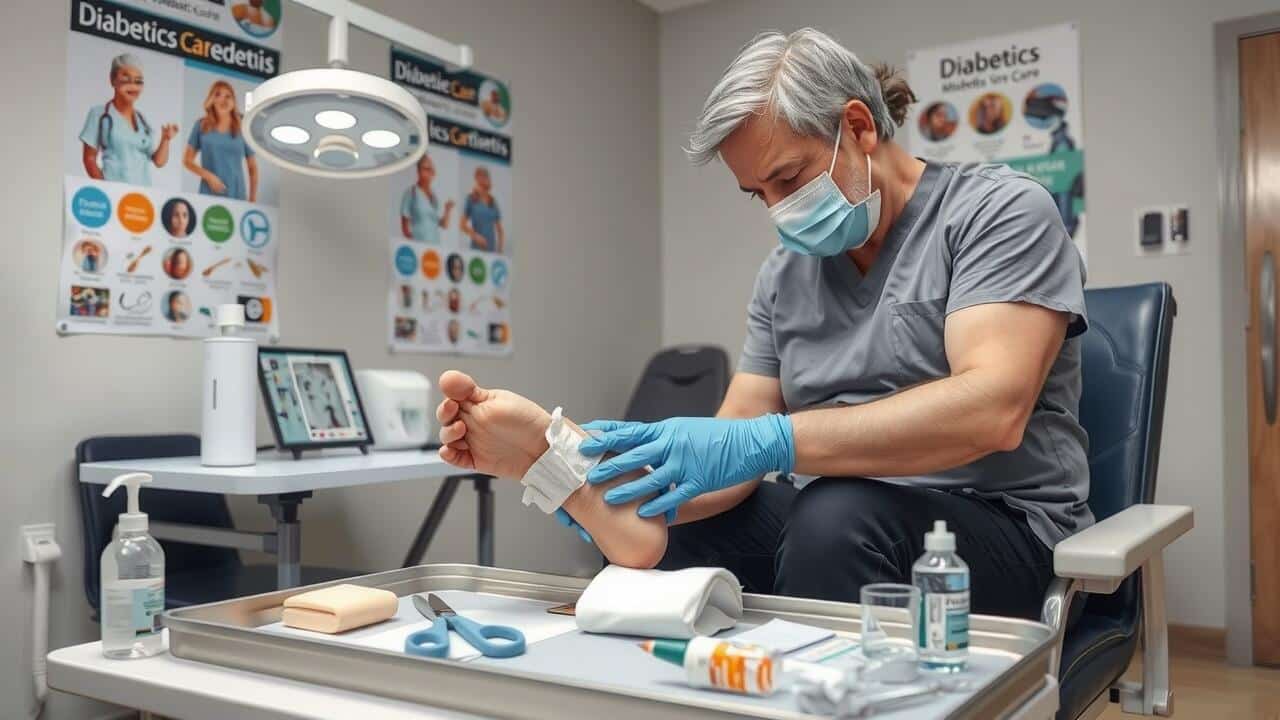
At American Woundcare Center, we specialize in the treatment of diabetic debridement ulcers, providing comprehensive care to help patients manage and heal their wounds effectively. Our team of experienced medical professionals utilizes advanced techniques and state-of-the-art technology to assess and debride ulcers, removing dead or infected tissue to promote healing and reduce the risk of complications. We understand the unique challenges that diabetes poses to wound healing, which is why we offer personalized treatment plans tailored to each patient's needs. With a focus on patient education, our goal is not only to enhance recovery but also to empower individuals with the knowledge and resources to maintain their foot health and prevent future wounds. At American Woundcare Center, we are dedicated to improving quality of life through compassionate and effective wound management.
Advanced Therapies in Ulcer Treatment
Innovative therapies have emerged to enhance the treatment of diabetic foot ulcers, addressing the complexities of wound healing in patients with underlying conditions. Advanced options such as negative pressure wound therapy (NPWT) promote healing by continuously draining exudate and reducing edema. This therapeutic approach creates a conducive environment for tissue regeneration and decreases the risk of infection, which is critical given that chronic wounds often lead to complications, including amputation.
Hyperbaric oxygen therapy is another promising treatment that exposes patients to increased atmospheric pressure while breathing pure oxygen. This process enhances oxygen delivery to tissues, which can help combat ischemia and promote angiogenesis. Research indicates that this therapy may also stimulate the release of growth factors and stem cells, supporting faster resolution of ulcers. These advanced therapies can significantly improve patient outcomes, making them a vital component of comprehensive diabetic foot care protocols.
The Effectiveness of Hyperbaric Oxygen Therapy
Hyperbaric oxygen therapy (HBOT) has gained attention as a potential adjunctive treatment for diabetic foot ulcers, specifically targeting the complex healing process of these wounds. By delivering oxygen at levels greater than atmospheric pressure, HBOT enhances oxygen diffusion in tissues, which is crucial for promoting cellular activity and tissue regeneration. The therapy has been shown to stimulate the proliferation of fibroblasts and the formation of granulation tissue, essential components in wound healing. Research indicates that HBOT can effectively reduce the size of ulcers, particularly in cases complicated by necrotic tissue or infections, thus improving clinical outcomes for patients suffering from diabetic foot ulcers.
While the benefits of HBOT are evident, its implementation requires careful consideration of patient selection and treatment parameters. The therapy is not universally applicable to all individuals with diabetic ulcers, as factors such as the severity of the ulcer, the presence of underlying complications like gangrene, and comorbidities must be evaluated. In a clinical setting, the use of HBOT should be part of a comprehensive management plan that includes glycemic control and regular monitoring by healthcare professionals. Ongoing advancements in technology and techniques continue to enhance the effectiveness of HBOT, ensuring that more patients have the opportunity for improved healing and reduced risk of amputation.
The Healing Process of Diabetic Foot Ulcers
The healing process for diabetic foot ulcers involves several complex stages that are critical for successful recovery. Initially, wound healing begins with hemostasis, where the body forms a clot to stop bleeding. Following this, the inflammatory phase kicks in, characterized by the recruitment of immune cells to combat infection and clear debris. Factors such as glycemic control, blood supply to the area, and the presence of bacteria can significantly influence the speed and effectiveness of these stages. A well-oxygenated environment can further enhance healing, as adequate oxygen levels are essential for cellular function and tissue regeneration.
As healing progresses, granulation tissue fills in the wound, and re-epithelialization occurs, where skin cells migrate to cover the surface. Maintaining optimal conditions for healing is crucial during this period. Negative pressure wound therapy is often employed to promote drainage and reduce the risk of infection, while proper irrigation techniques help keep the wound clean. Moreover, external factors such as temperature and moisture levels can play a vital role in the healing environment. Ensuring a balanced approach to these factors can significantly improve the likelihood of successful recovery, ultimately restoring the quality of life for patients affected by diabetic foot ulcers.
Stages of Healing and Factors Influencing Recovery
Wound healing is a complex and dynamic process that involves several overlapping stages: hemostasis, inflammation, proliferation, and remodeling. In diabetic foot ulcers, the healing timeline can be extended due to underlying complications such as diabetic neuropathy, peripheral arterial disease, and inadequate glycemic control. High levels of glycated hemoglobin (HbA1c) impair immune function and can lead to chronic wounds. Furthermore, ischemia from poor microcirculation contributes to tissue loss, increasing the risk of infections and delaying recovery.
Factors influencing recovery include patient-related variables and external conditions. Proper wound dressing and management, in conjunction with advanced therapies like platelet-rich plasma (PRP) and hydrofiber dressings, enhance the healing environment. Additionally, managing comorbidities such as atherosclerosis or peripheral vascular disease is crucial. Some patients may experience complications like osteomyelitis or gangrene, which necessitate surgical intervention. Active involvement in glycemic control could reduce the risk of recurrent ulcers, highlighting the importance of patient education and adherence to treatment regimens.
Preventing Recurrence of Foot Ulcers
Maintaining optimal diabetes management plays a crucial role in preventing foot ulcers from recurring. Patients should consistently monitor blood sugar levels and adhere to prescribed medications such as insulin or oral hypoglycemics like metformin and canagliflozin. Regular check-ups with healthcare providers enable timely adjustments to treatment plans and help identify potential complications early. Additionally, implementing lifestyle changes, including a balanced diet and regular physical activity, can help manage weight and improve overall health, reducing the risk of developing ulcers.
Foot care practices are integral to prevention efforts. Patients should inspect their feet daily for any sores, blisters, or abnormalities, as early detection can lead to prompt intervention. Wearing appropriate footwear is essential to avoid pressure points and potential injuries. Total contact casting can be an effective measure to redistribute weight off specific areas during healing. Education on proper foot care, including routine visits to a podiatrist, enhances awareness and ensures that individuals take proactive steps in preserving their foot health and mitigating risks associated with diabetic complications.
Strategies for Long-term Foot Health Management
Effective long-term foot health management for individuals with diabetes involves a multifaceted approach. Regular foot examinations and education on proper foot care can significantly reduce the risk of ulcers. Patients should be encouraged to use appropriate footwear that offers protection and support. Additionally, controlling blood glucose levels plays a crucial role in maintaining foot health. High glucose levels can impair wound healing and increase the likelihood of infection, making diabetes management essential.
Integrating advanced therapies and treatments into routine care can further enhance outcomes. Options such as cell therapy, including the use of mesenchymal cells and growth factors, may promote tissue repair and healing. Hyperbaric oxygen therapy has also shown promise in improving oxygen delivery to ischemic limbs, aiding recovery. Regular follow-ups at diabetic clinics can help monitor foot health and facilitate timely intervention when necessary to prevent recurrence of ulcers.