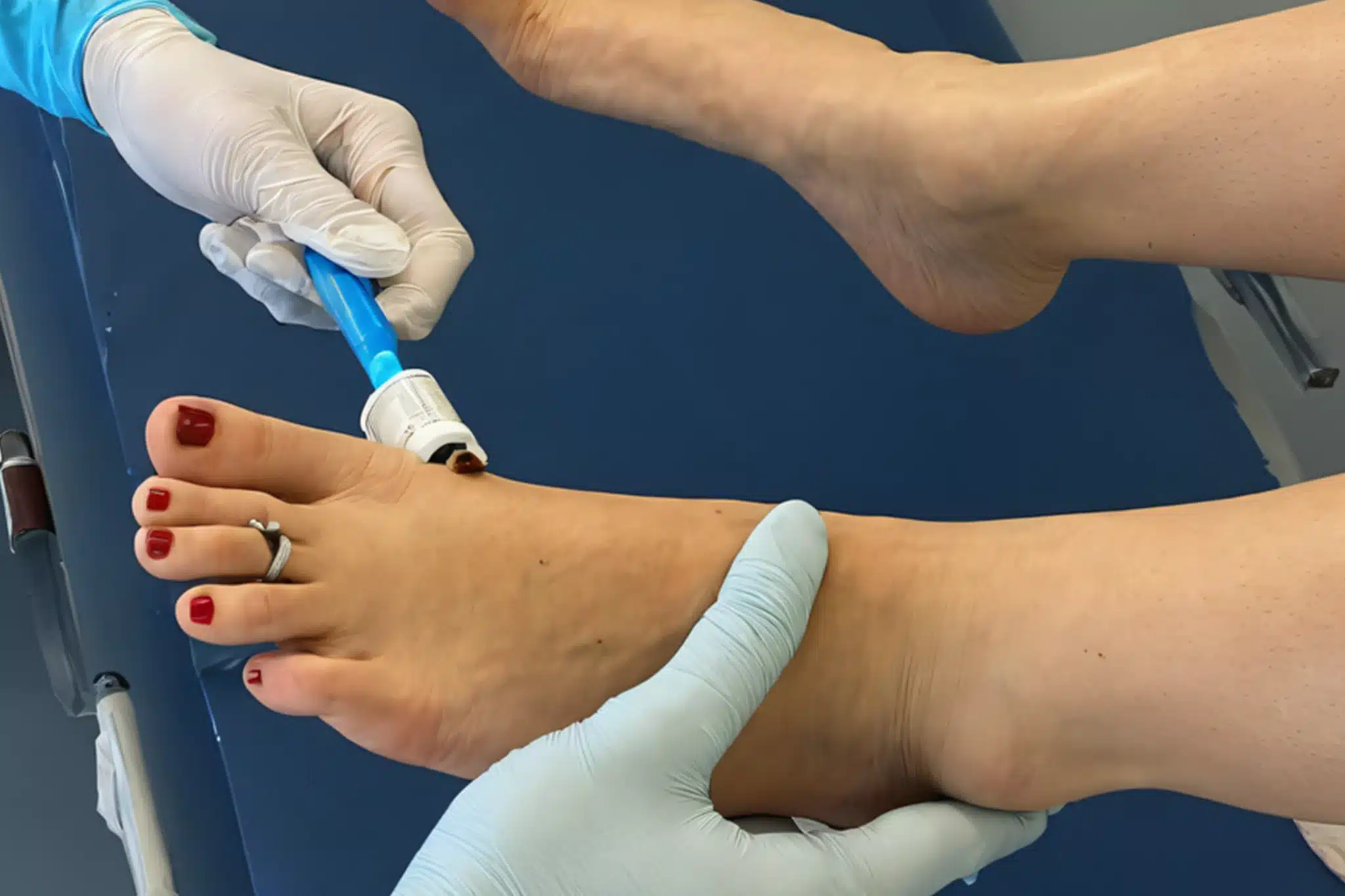
At American Woundcare Center, we specialize in comprehensive Diabetic Foot Ulcer Care, providing patients with personalized treatment plans to promote healing and improve quality of life. Our dedicated team of healthcare professionals understands the complexities associated with diabetic foot ulcers, including the risk of infections and complications that can arise from untreated wounds. Utilizing advanced wound care techniques and state-of-the-art technology, we focus on wound management, patient education, and collaborative care to empower individuals in their healing journey. Our compassionate approach ensures that each patient receives the attention and support they need to effectively manage their condition and prevent future occurrences.
The Role of Debridement in Healing
Debridement plays a critical role in the management of diabetic foot ulcers by removing necrotic and infected tissue. This process helps to create a healthier wound environment, facilitating the body's natural healing mechanisms. Clinicians often perform debridement to prevent complications such as osteomyelitis and gangrene, both of which can lead to more severe interventions including amputation. The removal of devitalized tissue also encourages the formation of granulation tissue, which is essential for effective wound healing.
Various methods of debridement exist, each tailored to the specific needs of the patient and the characteristics of the ulcer. Surgical debridement provides immediate results by excising dead tissue, while enzymatic and autolytic debridement use natural processes to break down necrotic material over time. Selection of the appropriate method depends on the ulcer’s severity, presence of infection, and the patient's overall health. By effectively managing the wound through debridement, healthcare professionals can significantly reduce the risk of infection and improve the patient's quality of life.
Types of Debridement Procedures
Debridement is a critical component in the treatment of diabetic foot ulcers, allowing for the removal of necrotic tissue and facilitating the healing process. Various types of debridement procedures exist, each tailored to the specific needs of the patient. Surgical debridement is generally performed by a healthcare professional and involves the excision of dead or infected tissue, promoting granulation tissue growth and accelerating healing. Mechanical debridement employs methods such as irrigation or wet-to-dry dressings to physically remove debris from the wound, while autolytic debridement utilizes the body’s own fluids to aid in the breakdown of necrotic material.
In addition, enzymatic debridement involves the application of topical agents that break down collagen and proteins in dead tissue, making it easier to clear away. For patients unable to tolerate invasive procedures or those with certain medical conditions, biosynthetic and bioengineered dressings offer an alternative, providing moisture and promoting an optimal wound environment. Hyperbaric oxygen therapy plays a supportive role, enhancing perfusion and facilitating angiogenesis which can be crucial for effective wound closure. The choice of debridement method often reflects the patient's overall health status, with consideration given to factors such as glycemic control and the presence of other complications.
Preventing Diabetic Foot Ulcers
Maintaining proper foot care is crucial for diabetic patients to prevent the development of ulcers. Regularly inspecting the feet for any signs of injury, blisters, or unusual growths can lead to early intervention. Keeping the feet clean and dry is equally important; moisture can create an environment conducive to infection. Choosing appropriate footwear reduces friction and pressure on sensitive areas of the feet, which can help in preventing complications. Socks made from moisture-wicking materials can enhance comfort and reduce the risk of blisters.
Blood sugar management is a key factor in preventing diabetic foot ulcers. Elevated glucose levels can impair circulation and nerve function, increasing susceptibility to foot injuries. Regular check-ups with healthcare providers ensure that patients maintain optimal blood sugar levels. Individuals with a history of foot problems are advised to consult vascular surgeons for further evaluation of blood flow. Adjuvant therapies, such as negative pressure wound therapy or hydrogel dressings, can be beneficial for patients who may have existing wounds or are at high risk. These practices form a comprehensive approach to foot care, significantly reducing the likelihood of ulceration.
Best Practices for Foot Care
Effective foot care is essential for individuals with diabetes to prevent complications such as ulcers and infections. Daily inspection of feet is crucial. This practice helps identify any cuts, blisters, or changes in skin color that may indicate underlying problems. Keeping feet clean and dry is important, as moisture can lead to fungal infections. Utilizing appropriate footwear plays a significant role in preventing pressure sores. Shoes should fit well and provide adequate support. Patients should avoid walking barefoot, regardless of terrain, to reduce the risk of injury.
Regular visits to a healthcare professional are beneficial for maintaining foot health. Podiatrist check-ups can help monitor any potential issues related to diabetes-related foot problems. Education on proper nail care is also vital. Trimming nails straight across can help prevent ingrown toenails. Utilizing moisturizing creams can prevent skin breakdown, but caution must be taken to avoid applying lotion between the toes. Adhering to these practices contributes significantly to the healing process and overall quality of life for those dealing with diabetic foot conditions.
Complications Associated with Foot Ulcers
Diabetic foot ulcers can lead to several complications that significantly affect an individual's health and quality of life. One of the most concerning issues is the risk of infections, particularly those caused by methicillin-resistant Staphylococcus aureus (MRSA). As ulcers develop and progress, the skin barrier is compromised, allowing bacteria to invade deeper layers of tissues. This can result in cellulitis or osteomyelitis, which may necessitate intravenous antibiotics or surgical intervention if left untreated. Moreover, chronic non-healing wounds can lead to systemic issues, with elevated inflammatory markers such as C-reactive protein indicating a serious underlying problem.
Another severe complication associated with diabetic foot ulcers is the heightened risk of lower extremity amputations. Factors such as poor glycemic control, compromised blood flow due to vascular calcifications, and neuropathy contribute to the likelihood of amputation as a last resort to control infections or gangrene. The ankle-brachial pressure index (ABPI) can provide insight into blood circulation and vascular health in diabetics with foot ulcers. Effective wound care strategies, including biosurgery and advanced topical treatments, are crucial in managing ulcers and preventing such devastating outcomes. Regular monitoring and prompt intervention play essential roles in minimizing risks and ensuring better healing trajectories.
Understanding Infections and Amputations
Diabetic foot ulcers often lead to serious complications, including infections that can necessitate amputations. The presence of high blood sugar levels contributes to the risk of infection of the skin and underlying tissues. Neuropathy results in reduced sensation, making it challenging for individuals to detect early signs of wounds or infections. Furthermore, conditions like arthritis can complicate foot care and contribute to the development of diabetic foot wounds. In these situations, diagnostic imaging such as CT scans or duplex ultrasound may be employed to assess the extent of the infection and the involvement of connective tissues.
Infections in diabetic foot ulcers may be caused by a range of bacteria, including staphylococci and Pseudomonas aeruginosa. These infections can create a hypoxic environment that impairs healing, complicating treatment efforts. Effective management often involves debridement to remove necrotic tissue and allow for better circulation and healing. Adjunct therapies, such as antimicrobial treatments and the use of oximetry to monitor wound healing, are essential for optimizing outcomes. Early identification of complications is critical to prevent the escalation that can lead to amputation, emphasizing the importance of primary and secondary prevention strategies in foot care for diabetic patients.