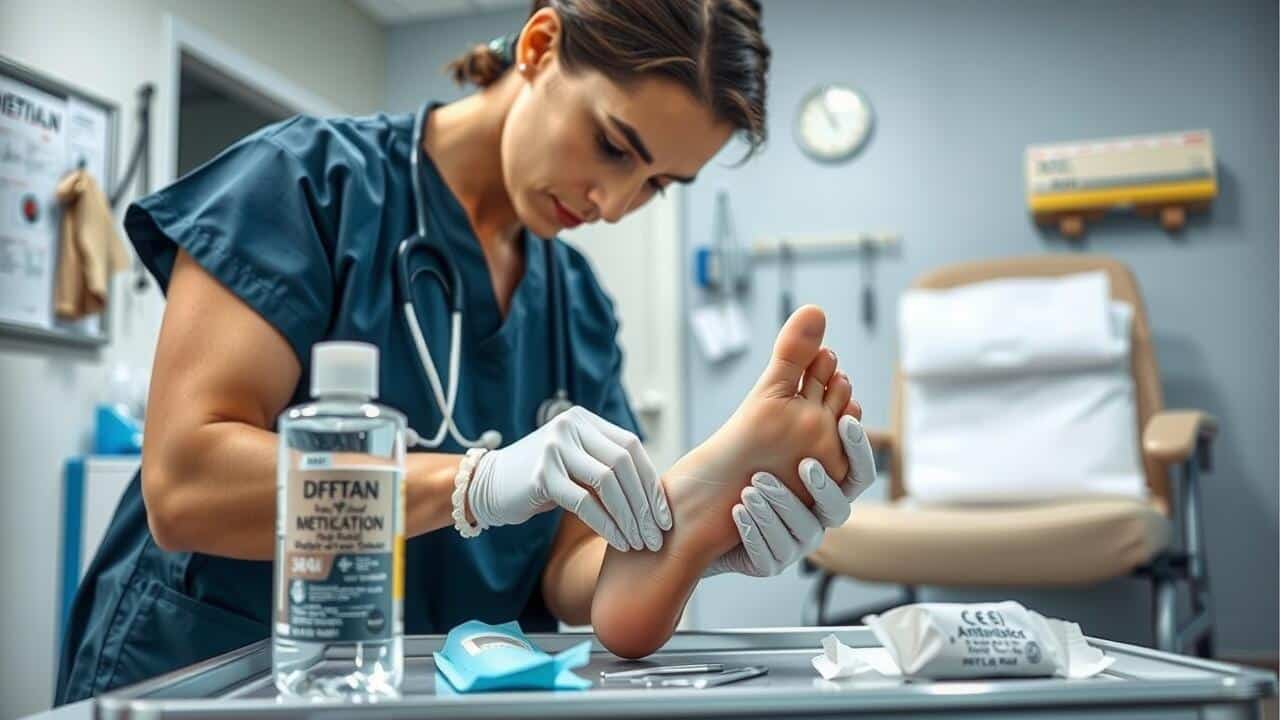
At American Woundcare Center, our Diabetic Ulcer Care service is dedicated to providing comprehensive and specialized treatment for individuals suffering from diabetic ulcers. Understanding the complexities of diabetes and its effects on wound healing, our experienced team employs the latest evidence-based practices and advanced therapies to promote optimal recovery. We tailor each treatment plan to the unique needs of our patients, offering thorough evaluations, regular monitoring, and education on effective self-care techniques. Our goal is to not only heal wounds but also empower patients to manage their condition better, enhancing their overall quality of life and reducing the risk of complications associated with diabetes. With a compassionate and multidisciplinary approach, we are here to support our patients every step of the way on their journey to recovery.
The Role of Debridement
Debridement plays a critical role in the management of diabetic foot ulcers by removing necrotic or infected tissue. This process helps to promote healthy tissue regeneration, thus facilitating faster wound healing. When dead tissue is left untreated, it can serve as a breeding ground for bacteria, increasing the risk of infection that could lead to more severe complications such as osteomyelitis or even amputation. Regular debridement not only aids in cleaning the wound but also allows for better penetration of topical treatments and enhances the overall effectiveness of wound care strategies.
Various types of debridement procedures exist, including surgical, mechanical, enzymatic, and autolytic methods. Each approach offers specific benefits based on the patient's condition and wound characteristics. Surgical debridement is often employed for extensive or infected wounds, while enzyme-based treatments can be useful for more localized areas. Mechanical debridement, which involves the use of dressings and irrigation, is less invasive and can be performed in outpatient settings. Autolytic debridement harnesses the body's natural processes to liquefy dead tissue, making it a suitable choice for patients with advanced or chronic diabetic ulcers.
Types of Debridement Procedures
Debridement is a crucial aspect of managing diabetic ulcers, focusing on the removal of non-viable tissues to enhance healing. Various procedures exist, including surgical debridement, which involves the use of surgical instruments to excise necrotic or infected tissue. This approach is typically employed when there is significant damage or chronic wounds that do not respond to simpler methods. Another common method is autolytic debridement, which utilizes the body’s own enzymes and moisture to dissolve dead tissues. This technique is often less invasive and is particularly useful for patients with sensory neuropathy, where surgical options may pose additional risks.
Enzymatic debridement uses specific enzymes to break down dead tissue, offering a targeted approach to wound care. This method may involve the application of products containing growth factors that promote healing. Mechanical debridement, through methods such as wet-to-dry dressings or irrigation, physically removes debris and exudate from the wound site. Each type of debridement procedure has its advantages and potential complications. Selecting the appropriate method often depends on the ulcer's characteristics, the patient's overall health, and the goal of treatment.
Preventative Measures for Ulcer Development
Proper foot care is essential for individuals with diabetes to prevent the onset of ulcers. Regular inspections of the feet should be part of daily routines, particularly for those with reduced sensation. Any changes in skin condition, such as blisters or redness, should prompt an immediate consultation with a healthcare professional. Wearing appropriate footwear can protect vulnerable areas, especially the big toe and the sides of the foot where friction often occurs. Regular appointments with medical providers ensure any emerging issues are addressed promptly.
Maintaining optimal glycemic control is vital in reducing the risk of complications associated with diabetes, including neurotrophic ulcers. A balanced diet, weight management, and cessation of tobacco use can significantly improve overall health and reduce the incidence of ulcers. Additionally, physical activity aids in enhancing circulation and promoting healthy blood vessels. Patients should follow a comprehensive care plan that includes regular check-ups and imaging as needed to monitor foot health, addressing any signs of ischemia or infection swiftly. This proactive approach is essential for limb salvage and overall well-being.
Lifestyle Adjustments and Care Tips
Making lifestyle adjustments is crucial for individuals living with diabetes to prevent diabetic ulcers and promote overall foot health. Maintaining a healthy diet rich in vitamins and minerals can help improve blood circulation and support skin integrity. Regular exercise is also beneficial, as it helps manage blood sugar levels and supports cardiovascular health. Individuals should be attentive to their feet, checking for any signs of sores or skin breakdown, especially if neuropathy is present. Those with peripheral diabetic neuropathy need to minimize the risk of injury by choosing appropriate footwear that offers protection and comfort.
In addition to these dietary and exercise considerations, proper wound care is essential for preventing complications. Keeping wounds clean and dressing them adequately can mitigate the risk of infection. Seeking treatment from healthcare professionals, such as podiatrists or diabetologists, ensures proper management of foot conditions. Monitoring for any symptoms of arterial occlusive disease or peripheral arterial insufficiency remains important. Using specialized wound-dressing products and considering advanced therapies like platelet-rich plasma (PRP) or hyperbaric oxygen therapy may further enhance the healing process.
Innovations in Wound Healing
Innovative therapies in wound healing are transforming the approach to diabetic ulcer care. Among them, the application of epidermal growth factor (EGF) has shown promise in stimulating angiogenesis and promoting healing in ischemic wounds. This growth factor accelerates the proliferation of endothelial cells, which are vital for new blood vessel formation. With advancements in imaging technology, clinicians can now utilize MRI scans and other modalities to assess the healing progression more accurately, allowing for timely modifications in treatment plans.
Additionally, advancements in tissue engineering techniques have led to the development of products such as AlloDerm and BFGF, which enhance the extracellular matrix framework. These products provide an ideal environment for cellular migration and division, crucial for wound closure. Research also supports the use of specific cellular therapies that harness macrophages to modulate inflammation and promote healing. Emphasizing glycemic control remains fundamental, as maintaining an optimal A1C level is pivotal in managing diabetic patients and reducing the risk of complications associated with chronic wounds.
Emerging Therapies and Technologies
Innovations in wound healing have led to the development of various therapies and technologies aimed at improving outcomes for diabetic ulcer patients. Among these advancements, the use of hyaluronic acid gels shows promise in promoting tissue regeneration and facilitating moisture retention in wounds. Additionally, emerging treatments like hyperbaric oxygen therapy have been recognized for their ability to enhance oxygen delivery to affected tissues, which is crucial for healing, especially for individuals suffering from peripheral artery disease.
New surgical procedures are also being explored, including endovascular options that can directly address problems with superficial femoral arteries. These cutting-edge approaches aim to improve blood flow and reduce ischaemia, which plays a significant role in foot ulceration. Healthcare professionals are increasingly adopting these innovative techniques, alongside traditional care methods like wound debridement and intravenous (IV) infusion of antibiotics, to combat infections such as cellulitis caused by staphylococcus aureus. These advancements mark a significant step forward in the ongoing battle against chronic wounds and the complications associated with diabetes mellitus.